Storage Baskets and Boxes: Matching Containers to the Mess
Baskets and boxes fail when they ignore the mess. A sizing-first guide to rigid vs. soft, lidded vs. open, and running one container system per zone.
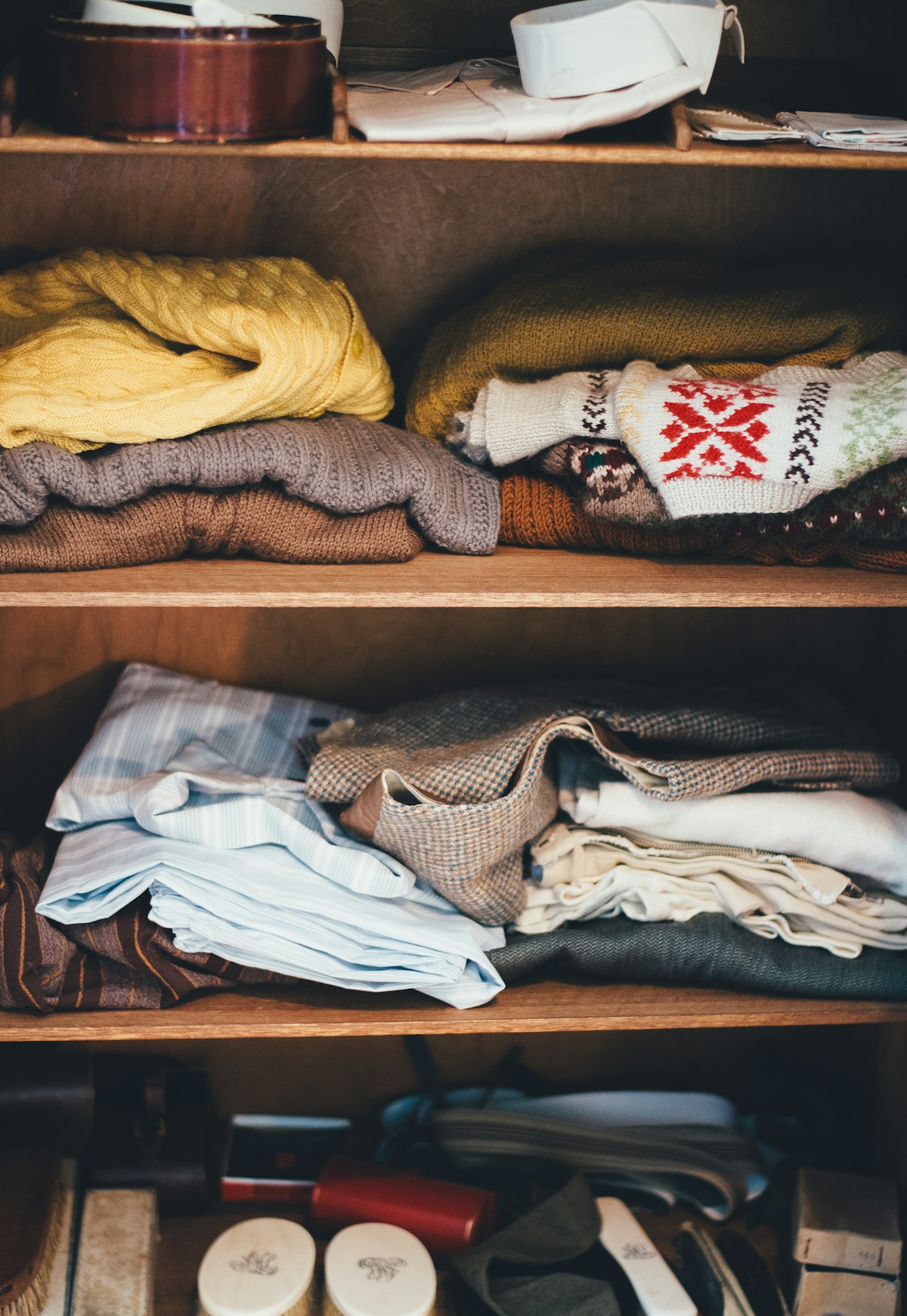
Here is the organizer's paradox: the basket aisle promises calm, but a house full of mismatched baskets — a wicker one here, a sagging fabric cube there, three plastic tubs in sizes that exist nowhere else in nature — can look worse than the mess it was meant to tame. Containers are not a category of shopping. They are a matching problem: the right size, material, and structure for a specific mess, in a specific place.
This guide works backwards from the mess. For each common storage situation — the shelf of small chaos, the closet of soft goods, the cabinet of bottles — there is a container type that fits it, and several popular types that quietly make things worse. Buy the container after you know the mess's dimensions, contents, and how often hands go into it.
The short version
Match three things: footprint (the container must fit the shelf with a finger's width to spare), structure (rigid for stacking and heavy contents, soft for textiles and odd shapes), and access (open baskets for daily grab-and-go, lidded boxes for anything stored longer than a month). The most common mistake is buying containers before measuring — so measure the shelf, list the contents, then shop. Our picks below reflect the sizes and materials that owner feedback and published specs show working in each role.
What to look for
- Interior dimensions, not exterior. A box listed as 13 inches wide may hold 11.5 inches of stuff after walls and lids. For cube shelves and cabinets, the interior number decides what fits.
- Material matched to environment. Water hyacinth, seagrass, and fabric look warm in living spaces but absorb moisture — keep them out of bathrooms and basements. Plastic and resin handle damp, weight, and washing.
- Handles that suit the load. Cut-out handles on a light basket are fine; a box of books needs real handles or it will be dragged, and dragging destroys both box and shelf.
- Lids vs. open tops. Lids enable stacking and dust protection but add a step to every access. Daily-use categories (remotes, chargers, dog toys) should be open; seasonal and archival storage should be lidded.
- Squareness. Tapered baskets waste the space between neighbors on a shelf. Straight-sided containers store roughly 15–20% more in the same shelf run — a meaningful difference in a small closet.
- One system per zone. Consistency is what makes storage read as calm. Choose a container family per room and repeat it, rather than optimizing each shelf individually.
IKEA DRÖNA Fabric Box
The fabric cube made to measure for cube shelving: straight-sided, consistent, and cheap enough to buy as a matched set — the reference for how soft containers should behave.
- Dimensioned to fit KALLAX cube compartments exactly
- Fabric body with a front handle for pull-out access
- Folds flat when not in use
- + Uniform size and finish make a whole cube wall look calm
- + Light and quiet — kind to shelves and floors
- + Very low cost per cube
- – Fabric sides will not support stacking on top
- – Sized for one specific shelving system — measure other shelves
Seville Classics Handwoven Water Hyacinth Baskets
Woven hyacinth baskets with real structure, for living-room and bedroom shelves where storage is on display and plastic would spoil the room.
- Handwoven water hyacinth over a metal frame
- Cut-out handles for carrying
- Sold in nested sets of graduated sizes
- + Warm, furniture-grade look for shelves guests see
- + Frame gives them more structure than soft woven baskets
- + Sets nest when empty instead of eating a shelf
- – Natural fibers dislike damp rooms — keep out of bathrooms and basements
- – Handwoven sizing varies slightly piece to piece
Rubbermaid Cleverstore Latching Storage Box
A clear, straight-sided latching box for utility storage where seeing the contents beats aesthetics — the workhorse for closets, pantries, and garage shelves.
- Clear walls and lid for instant contents checks
- Latching handles keep lids seated when stacked
- Straight sides in a range of standard capacities
- + Visibility replaces labeling in garages, pantries, and closets
- + Straight sides waste almost no shelf space between neighbors
- + Lids stay put when boxes are pulled from a stack
- – Clear walls show clutter — best for utility spaces
- – Latching handles add a little width versus straight tubs
Matching containers to the classic messes
The shelf of small chaos — chargers, batteries, tape, the good scissors. This mess needs small, rigid, divided containers, because tiny items in one big box become soup. Drawer-style organizers or small bins with dividers keep categories separated; label the front, because nobody remembers which identical box holds the batteries.
Soft goods — blankets, out-of-season clothes, stuffed animals. Soft messes deserve semi-soft containers: fabric cubes hold their shape on a shelf yet flex when overstuffed with a quilt. They are the right inhabitants of cube shelving, where a rigid box of the same size would fight the frame. In the bedroom, the same logic pairs fabric cubes with under-bed storage for the overflow.
Bottles and the under-sink sprawl. Anything that can leak gets hard plastic with a lip or tray base, full stop. Pretty baskets under a sink are a mildew story waiting to happen; this is the one room where function outranks looks — see the cabinet-specific advice in our kitchen cabinet organizers guide.
Paper and keepsakes. Paper is heavy, hates humidity, and accumulates. Acid-free or at least sturdy plastic document boxes, stored indoors, in the driest closet you have. Label with contents and year, and impose a household quota: one box per person per category, or paper storage expands to fill every shelf you own.
Tip: Buy containers in a "trial of two" — two of the size you think is right, lived with for a week. If they work, buy the rest of the run in the same trip window, because product lines and dye lots change; last year's perfect cube may not match this year's.
The sizing drill
For each shelf or cabinet you intend to containerize, record width, depth, and height on paper, then subtract an inch from width and height for hands and lids. Decide the row layout first: two wide boxes or three narrow ones per shelf? Narrower containers match categories better (one per category beats one per "miscellaneous"), while wider ones waste less wall thickness. As a rule, if a category fills less than half its container, the container is too big or the category should merge with a neighbor.
Heights deserve suspicion. Tall containers on shelves get filled with strata — the bottom layer effectively lost. Prefer containers no taller than the items they hold plus an inch, and let shelves do the vertical work instead.
FAQ
Fabric cubes or woven baskets — which is better?
Fabric cubes are uniform, lightweight, and kind to shelves; they suit closets, cube units, and kids' rooms. Woven baskets (seagrass, hyacinth) are sturdier and better looking in living areas but vary in size, shed fibers, and dislike moisture. Owner feedback consistently shows fabric winning on consistency and woven winning on durability for heavy daily use like firewood or toy duty.
How many containers should I buy at once?
Enough for one zone, no more. Finish the closet completely — containers, labels, contents settled — before buying for the next room. Container needs shrink as you organize, because consolidated categories need fewer, better boxes than scattered ones.
Are clear containers always better?
For utility spaces (garage, pantry back stock, under-bed), yes: visibility is the label. For living spaces, clear boxes display the clutter they contain; opaque containers in a consistent finish look calmer. The deciding factor is audience — storage only you see can be clear, storage guests see should be opaque.
What do I do with containers that no longer fit?
Reassign before replacing: a failed closet cube often succeeds in the linen closet or garage. Keep one spare container, maximum, in reserve; a shelf of empty "just in case" boxes is itself a storage problem wearing a disguise.