Kitchen Cabinet Organizers That End the Deep-Shelf Dig
Deep cabinets swallow the back row whole. Roll-out caddies, two-tier baskets, and tiered shelves that bring every can and bottle within easy reach.
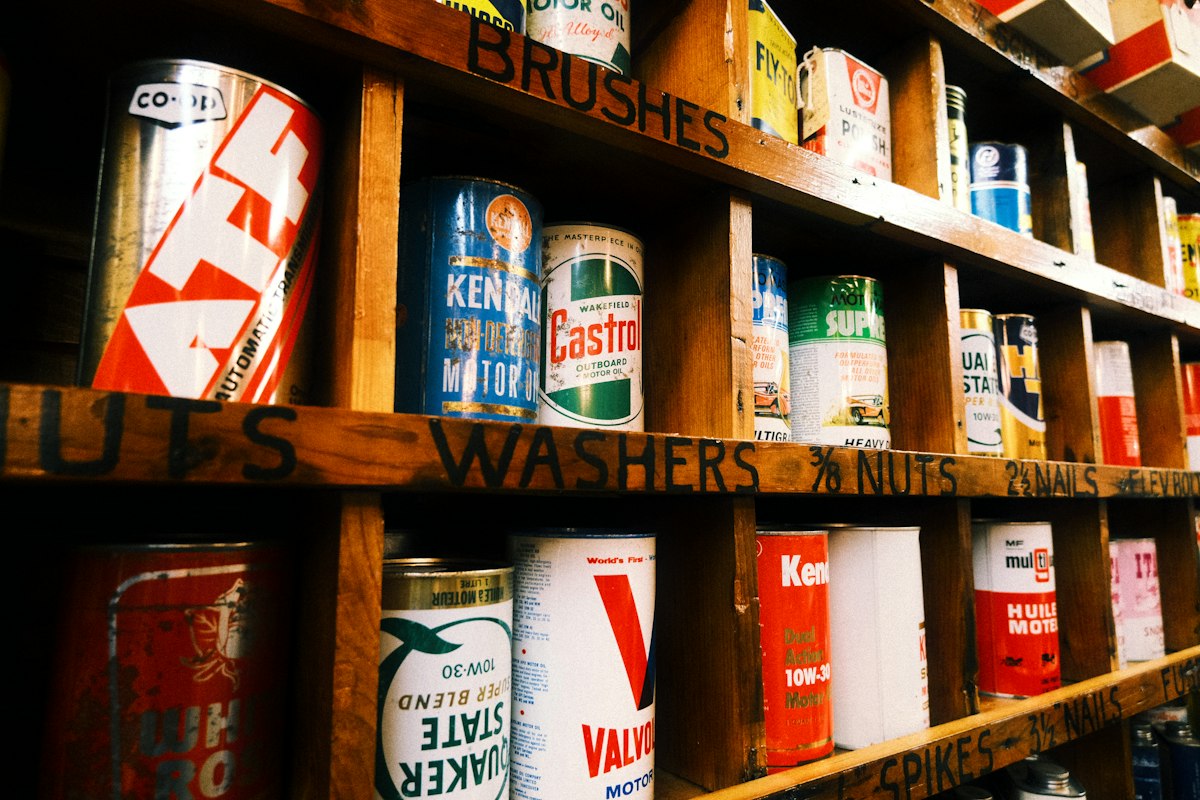
Open a typical deep kitchen cabinet and you will find the same archaeology: a front row of things used weekly, a middle layer of good intentions, and at the back, a graveyard — the fondue set, the third colander, the spice jar that expired during a previous administration. Standard base cabinets are 24 inches deep, which is about twice what you can actually see or reach. Anything past the front 10 inches is not storage; it is slow-motion loss.
Cabinet organizers do not add space. They convert depth into access: shelves that split one tall void into two usable levels, pull-out caddies that bring the back row to you, and tiered racks that let you see every can at once. The goal is a cabinet where every item is reachable without moving another item.
The short version
Start with the cabinet that annoys you most — usually the one under the sink or the deep corner base. A two-tier sliding basket or roll-out caddy fixes under-sink chaos; a simple shelf riser doubles a tall cabinet's usable levels; a tiered shelf turns a spice or can cabinet from a dig into a glance. Measure the cabinet's interior width, depth, and height, plus the door opening — the opening is often 2–3 inches narrower than the interior, and it is the dimension that decides whether a pull-out will actually install.
What to look for
- The door opening, not the cabinet box. Measure the clear width between door hinges and frame. Organizers must pass through it during installation and clear it every time they slide.
- Interior height between shelves. Risers and two-tier units need their stated height plus room for the tallest bottle you own. Measure your tallest item, not the average one.
- Pull-out travel. A caddy that rolls out 12 inches into a 22-inch-deep cabinet still hides the back third. Full-extension is worth it in deep base cabinets.
- Load capacity. Canned goods and cleaning bottles are heavy. Check the published weight rating of sliding units; drawer-style organizers should be rated well above a shelf of cans.
- Cleanability. Under-sink and spice cabinets get sticky. Smooth plastic or coated metal that wipes clean beats open wire grids that trap grime — though wire wins for airflow around produce.
- Adjustable feet and tool-free installs. Renters and the drill-averse should look for freestanding risers and tension or adhesive options that leave no holes.
YouCopia RollOut Caddy
A wheeled caddy with movable dividers that turns the dead back half of a deep cabinet or under-sink space into a pull-out drawer for bottles and supplies.
- Smooth-rolling wheels with a handle for one-motion pull-out
- Adjustable dividers keep bottles upright in single file
- Offered in several widths to fit standard cabinet bases
- + Brings the back row of a deep cabinet to you
- + No installation — set it down and load it
- + Dividers stop tall bottles tipping on the roll
- – Narrow sizes hold bottles in single file only
- – Wheels work best on flat cabinet floors, not wire shelving
madesmart 2-Tier Organizer Basket
A two-tier basket stand that doubles a cabinet's levels in the awkward vertical space plumbing leaves behind, with baskets that wipe clean.
- Two stacked baskets use the tall side space beside sink plumbing
- Steel legs with non-slip feet
- Smooth plastic baskets wipe clean
- + Purpose-shaped for under-sink and tall cabinets
- + Upper basket slides or lifts for access to the lower tier
- + Clean, uniform look if you use several in a row
- – Fixed tier heights limit very tall bottles on the bottom level
- – Plastic construction flexes if heavily overloaded
Copco Non-Slip 3-Tier Cabinet Organizer
A stepped shelf riser that lifts the back two rows of cans, jars, or spices so every label is visible without moving anything.
- Three stepped levels raise the back rows into view
- Non-slip surface keeps cans and jars in place
- Sized for standard upper cabinets and pantries
- + Ends the spice-and-can dig at a glance
- + No installation and easy to move between cabinets
- + Wipes clean and resists sliding when doors swing
- – Steps are shallow for large cans and jars
- – Fixed width — measure cabinet interiors before ordering
Organizing by cabinet, not by catalog
The under-sink cabinet is a special case: pipes steal the middle, so organizers must work the sides. Narrow two-tier baskets flank the plumbing, and a caddy that rolls straight out beats a wide bin you have to excavate. Store only what belongs to the kitchen sink zone here — the overflow cleaning supplies belong in the linen closet or a utility spot, a point we return to in our storage baskets and boxes guide.
For upper cabinets, the problem is height, not depth. Shelf risers create a second level for mugs and bowls; tiered steps keep spices and small jars visible. Anything you use daily belongs between waist and eye level — the top shelf of an upper cabinet is for the turkey platter and the punch bowl, not breakfast cereal.
Corner base cabinets are the hardest. A lazy Susan helps round items but wastes the corners of its own circle; pull-out blind-corner units exist but are the most dimension-sensitive organizers you can buy. Measure twice, and accept that a simple deep bin you pull out entirely — treating the corner like a drawer you carry — is often the honest budget fix.
Tip: Before buying any organizer, set a timer and empty one cabinet completely. If an item has not been used in a year and is not seasonal, it does not get to come back in. Organizers organize what remains; they cannot fix too much stuff.
The one-level rule
Every organizer decision should serve a single principle: one layer deep. Cans in a single row on a tier, bottles in a single file in a caddy, pans nested only if you can lift the stack without a excavation permit. The moment a cabinet requires moving item A to reach item B, the dig begins again. When you shop, compare products against this rule using their published interior dimensions — a beautiful organizer that forces double-stacking has failed its only job.
Keep the receipt rule, too: live with one organized cabinet for two weeks before buying for the next. Real use exposes the flaws a store display hides — the caddy that bumps the hinge, the riser a half-inch too tall for the cereal boxes. One cabinet at a time keeps returns rare and the system coherent.
FAQ
Do pull-out organizers damage cabinets?
Freestanding roll-out caddies do not touch the cabinet at all. Screw-mounted sliding shelves leave small screw holes in the cabinet floor, which most owners consider worthwhile and most landlords do not notice; renters should choose the freestanding styles recommended above, which product specs and owner feedback consistently rate as the practical no-drill option.
What is the best organizer for the under-sink cabinet?
A pair of narrow two-tier baskets, one on each side of the plumbing, because they use the tall side spaces the pipes leave empty. Add a small caddy for the bottles you grab daily so they travel to the counter and back as a group.
How do I organize deep cabinets without any products?
Pull everything into shallow boxes or bins you already own, grouped by task — baking, breakfast, cleaning — and treat each bin as the unit you remove. It is the same principle as a roll-out caddy at zero cost, and it tells you exactly which purchased organizer would earn its place later.
Will these organizers fit standard cabinets?
Most kitchens use 12-, 15-, 18-, 24-, 30-, or 36-inch-wide cabinets, and organizers are sized to those standards — but "standard" hides real variation in door openings and hinge placement. That is why every pick above lists dimensions in its specs: match the organizer's width and depth to your narrowest measured point, the door opening, and it will fit.