Build an Entryway Drop Zone: Keys, Mail, and Bags in One Place
Keys, mail, bags, and shoes land somewhere every single day. A drop zone designs that landing spot on purpose instead of letting gravity choose it.
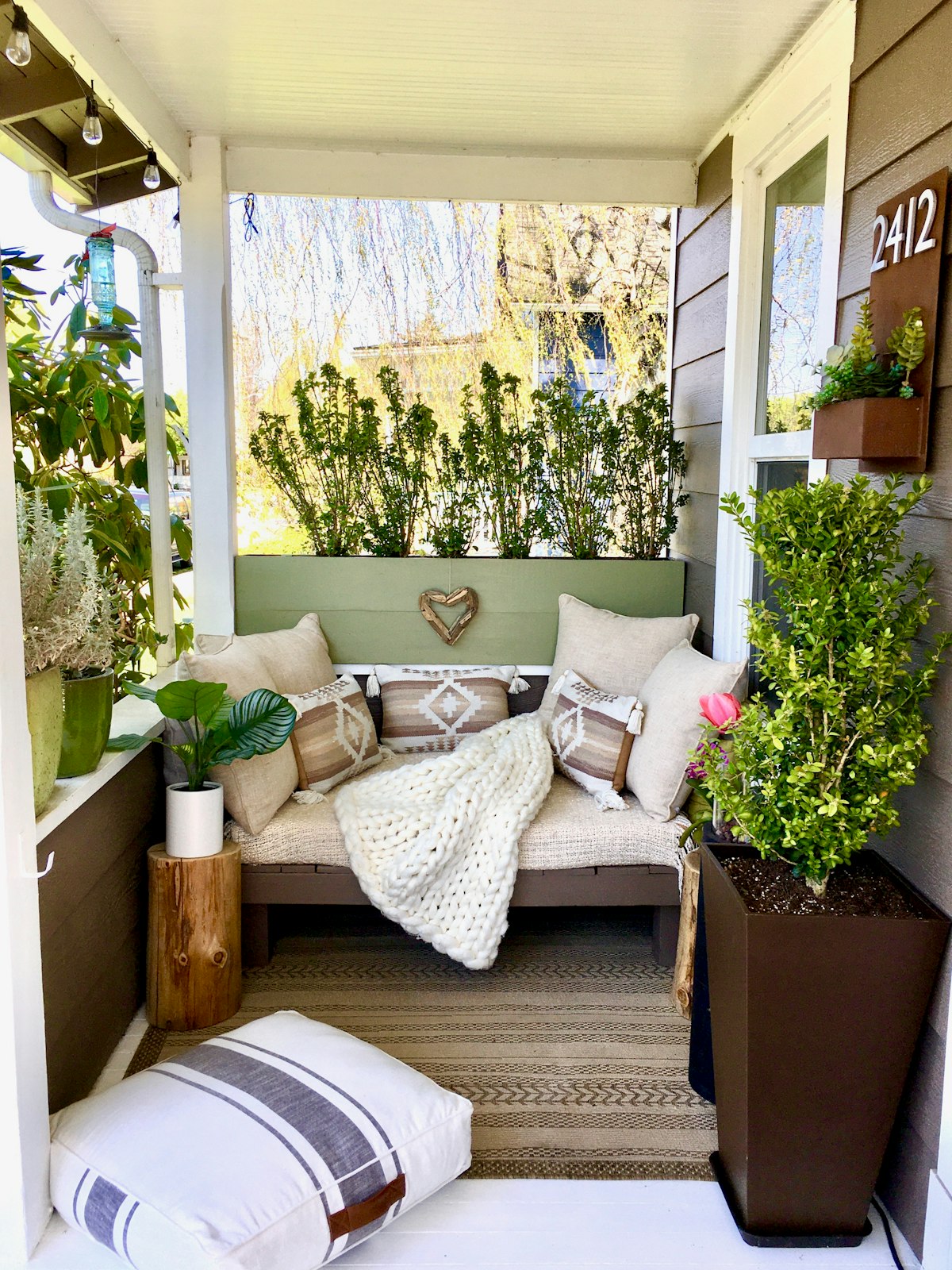
Every homecoming follows the same choreography: you walk in with keys in your teeth, a bag sliding off each shoulder, mail under one arm — and everything lands wherever gravity suggests. The keys end up in a different mystery spot each day. The mail colonizes the kitchen counter. Shoes accumulate by the door like driftwood. Then tomorrow's departure starts with a search party.
An entryway drop zone ends the chaos by giving the landing a designed destination: a single, deliberate station where keys, mail, bags, and shoes are supposed to land. It works not because it is pretty — though it can be — but because it puts the storage exactly where the behavior already happens. You are not training your family to walk to a closet. You are putting the system under their feet at the door.
The short version
You need four elements within arm's reach of the door: hooks for bags and coats, a small surface or tray for keys and sunglasses, a sorter for mail, and a defined shoe spot. That can be one furniture piece (a bench with hooks above it) or a $40 wall rack — the layout matters more than the budget. Measure your entry wall width and door swing first; the best drop zone is the one that does not block the door, the thermostat, or the light switch.
What to look for
- Hook count and height. Plan one hook per household member plus two guest hooks. Mount the main row around 5 feet for adults; add a low row near 3 feet if kids are in the house, or their coats will live on the floor in protest.
- Weight ratings. A hook that holds a handbag may not hold a winter coat over a backpack. Check the published per-hook capacity and mount into studs or use proper anchors — drop zones fail at the wall, not at the hook.
- A landing surface. Keys need a bowl, tray, or small shelf at hand height the moment you cross the threshold. If the key spot is three steps in, keys will not make the trip.
- Mail containment. One vertical sorter or one tray, sized to a week of mail. Mail systems fail by overflow, so pair the sorter with a recycle bin within reach for the junk that is 80% of what arrives.
- Shoe capacity with a limit. A two-tier rack or cabinet that holds the current rotation — two pairs per person by the door — with the rest in closets. Unlimited shoe storage by the door becomes a shoe warehouse.
- A bench if space allows. Sitting to put on shoes is the difference between a drop zone people use and one they route around. Even a 30-inch bench changes the room's behavior.
IKEA TRONES Shoe Cabinet
A tilt-out shoe cabinet just inches deep that hides the daily rotation behind a flat front — the drop-zone shoe solution for narrow hallways.
- About 7 inches deep — among the slimmest closed shoe storage available
- Tilt-out compartments hold pairs upright and hidden
- Units stack and combine side by side to fit your wall
- + Closed front keeps the entry looking calm
- + Top surface doubles as a slim landing shelf
- + Scales from one unit in a studio to a full family wall
- – Shallow depth fits most shoes but not bulky boots or high heels
- – Plastic look is modern and minimal, not furniture-like
IKEA KUBBIS Rack with 7 Hooks
A simple solid-wood rail with seven knobs that gives coats, bags, and the dog leash a single obvious home by the door.
- Seven rounded knobs on a solid wood rail
- Rounded knobs are gentler on coat loops and straps than sharp hooks
- Mounts with two screws; pairs well above a bench or shoe cabinet
- + Covers a family's daily coat-and-bag count in one rail
- + Warm wood look suits visible entryways
- + Knobs double as a spot for hats and scarves
- – Knob-style hooks suit coats and bags, less so heavy backpacks by one strap
- – Wood finish options are limited
VASAGLE Cushioned Storage Shoe Bench
A sit-on bench with hidden storage inside, anchoring the drop zone: shoes underneath your life get changed sitting down, and the daily clutter disappears under the cushion.
- Padded seat over a flip-top storage compartment
- Steel frame with published weight capacity for sitting
- Compact widths suited to apartment entries
- + Seat makes shoe changes — and drop-zone use — far more likely
- + Hidden compartment swallows gloves, leashes, and clutter
- + Works as the anchor piece of the whole zone
- – Storage is an open compartment — not divided for small items
- – Assembly required; check listed dimensions against your wall
Laying out the zone
Work from the door outward. The first thing your hand wants to drop is keys, so the tray or key hooks go closest to the door, at the height your hand naturally falls. Bags and coats are next: hooks a step further in. Shoes anchor the far end or sit beneath the bench. Mail belongs wherever you will actually sort it — for most people that is on the way to the kitchen, so the sorter mounts on the wall section you pass, not behind the coats.
Height discipline keeps it looking calm. Keep the whole arrangement within a rough rectangle — hooks aligned, shelf level with the tray — and the cluster reads as furniture. Stagger things randomly and the same objects read as clutter. If your entry is a hallway rather than a room, a slim shoe cabinet (often under 7 inches deep) gives you closed storage that does not eat walking space; depths and capacities are in the product specs above, gathered from manufacturer dimensions and owner feedback.
For households where the garage is the real entrance, set up the primary drop zone there instead — the principles in our garage storage basics apply, with a bench and hooks by the interior door. The front door gets a minimal outpost: one tray, two hooks, nothing more.
Tip: Live with painter's tape first. Tape the outline of the bench, hooks, and shelf on the wall for two days and walk the pattern with your actual bags. Drop zones fail on paper-perfect layouts that ignore how bodies move through a doorway.
The daily reset that keeps it working
A drop zone is a system with a maintenance cost of about ninety seconds a day: mail sorted or recycled on arrival, shoes paired, bags emptied of yesterday's receipts weekly. The moment the key tray holds three sets of keys and a hair tie, or the mail sorter leans, do the reset — the system only works while the landing spots stay visibly empty enough to receive the next arrival. Households that keep a drop zone long-term all share this habit; the furniture was never the hard part.
Seasonal rotation matters too. Winter doubles the coat and boot load; summer adds hats and sunscreen to the tray zone. A small basket on the shelf that swaps contents by season — gloves out, sunscreen in — keeps the zone sized to the present instead of the whole year.
FAQ
What if my entryway has no wall space at all?
Use the back of the door itself (over-door hooks for coats and bags), a corner bench, or the nearest closet converted with a shelf and hooks inside its doorway. Even a large tray on a narrow console table creates the key-and-mail landing, which delivers most of the benefit.
How many hooks do I actually need?
Count the daily carry: per person, one coat and one bag in the current season. Add two for guests and one for the dog leash or umbrella overflow. For a family of four that is typically 8–10 hooks; fewer and coats start doubling up, which is when hooks stop being used altogether.
Bench, console table, or wall-mounted only?
Wall-mounted racks plus a tray shelf are the most space-efficient and suit apartments. A bench earns its footprint if people will sit to change shoes — households with kids or older family members benefit most. Consoles suit wide entries where a surface matters more than seating. Choose by the behavior you have, not the photo you like.
How do I keep the drop zone from looking messy?
Closed storage for the ugly categories (a shoe cabinet instead of open shoes), one consistent material or finish across pieces, and the daily reset. Open hooks will always look lived-in; that is fine and human. The line between "drop zone" and "pile" is whether each category has a visible, bounded home.