The Only Gardening Tools a Beginner Actually Needs
One rusty trowel and a pair of kitchen scissors later, most new gardeners learn the same lesson: five honest tools beat a forty-piece set every single time.
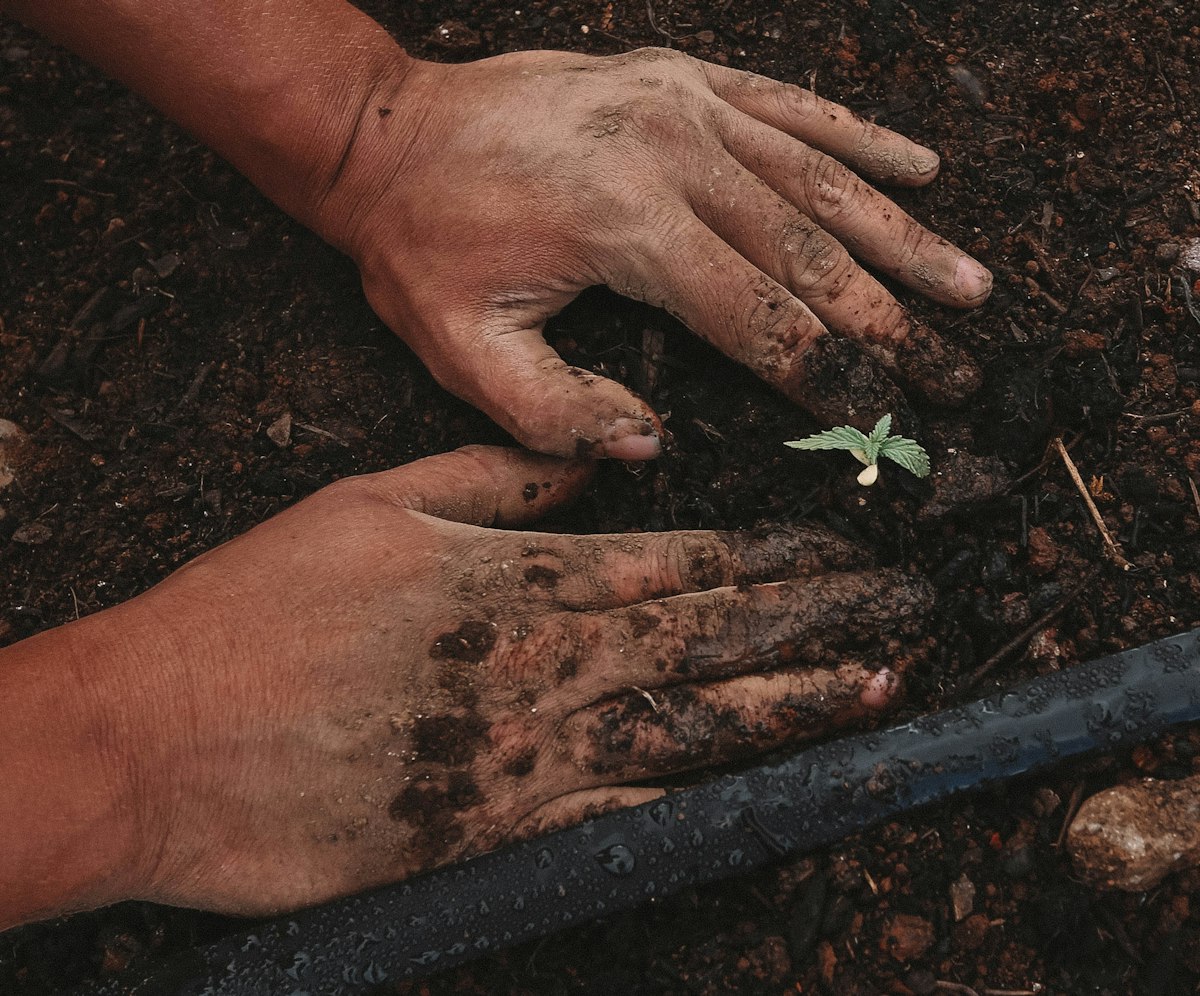
Every beginner gardener has the same moment. You come home from the garden center with a flat of seedlings, a bag of compost, and a burst of optimism — and then you realize you own exactly one rusty trowel you found in the garage and a pair of kitchen scissors. So you dig planting holes with a soup spoon, hack at a stubborn root with the scissors, and finish the afternoon with a blister and a quiet suspicion that gardening is not for you.
It is not you. It is the spoon. The honest truth is that a small handful of decent tools covers about ninety percent of what a home gardener actually does: digging, planting, weeding, and cutting. You do not need a shed full of gear, and you definitely do not need a forty-piece tool set in a roll-up case, most of which you will never touch.
This guide keeps it short on purpose. A few well-chosen tools, bought once and bought well, will outlast a decade of bargain-bin replacements — and they make the difference between gardening feeling like a chore and feeling like the good part of your weekend.
The short version
If you buy nothing else, buy these three: a sturdy hand trowel, a pair of bypass pruning shears, and a watering can with a removable rose head. Add a hand fork (also called a cultivator) and a kneeling pad when budget allows. Everything else — dibbers, hoes, specialty weeders — can wait until a specific job demands it. Choose steel or cast-aluminum heads, handles that fill your palm comfortably, and tools you can clean and dry in under a minute, because tools that are annoying to maintain quietly stop being maintained.
What to look for
- One-piece or socketed construction — heads that are forged, cast, or socketed into the handle flex less and snap less than thin stamped metal riveted to a stick.
- Bypass over anvil for pruners — bypass blades pass like scissors and make clean cuts on living stems; anvil blades crush and are better kept for dead wood.
- Handle comfort over handle looks — you will squeeze a pruner hundreds of times in a pruning session. A slightly soft, contoured grip beats a pretty wooden handle that raises blisters.
- A blade you can sharpen or replace — pruners with replaceable blades and a simple tension bolt stay useful for years instead of one dull season.
- Weight you can hold at arm's length — test the feel mentally: a trowel that seems fine in the shop gets heavy at the bottom of a planting hole.
- Rust resistance you will actually maintain — stainless and coated blades forgive forgetful owners; plain carbon steel is stronger but wants a wipe of oil now and then.
Ergo Trowel
A cast-aluminum hand trowel with a contoured, soft-grip handle designed to keep the wrist in a neutral position while digging and transplanting.
- One-piece cast-aluminum head resists bending and rust
- Ergonomic handle with soft grip for reduced hand fatigue
- Polished head slides through soil and wipes clean easily
- + Strong enough to lever out stubborn weeds without flexing
- + Comfortable for long planting sessions
- + Hanging hole makes shed storage simple
- – Wider blade is less precise in crowded pots than a narrow transplanter
- – Cast head is heavier than cheap stamped trowels
Steel Bypass Pruning Shears
A mid-size bypass pruner with a fully hardened steel blade for clean cuts on living stems up to about 5/8 inch, a common first-pruner pick in owner reviews.
- Bypass blade action for clean, scissor-like cuts on green wood
- Low-friction blade coating helps resist sap and rust
- Softgrip handle with an easy-open lock for storage
- + Clean cuts that heal well on roses and shrubs
- + Replaceable-wear design and widely available parts
- + Light enough for extended deadheading sessions
- – Not suited to dead, hardwood branches — that is anvil or lopper work
- – Blade needs occasional cleaning to keep the coating effective
2-Gallon Galvanized Steel Watering Can
A classic hot-dipped galvanized steel watering can with a removable rosette head, sized at the two-gallon sweet spot between capacity and carry weight.
- Galvanized steel body resists rust season after season
- Removable rose head switches between gentle sprinkle and direct pour
- Two handles — top for carrying, rear for controlled tipping
- + Gentle shower that does not blast seedlings or soil out of pots
- + Metal construction outlasts thin plastic cans
- + Balanced feel even when completely full
- – Heavier than plastic when full — about 16 lb of water alone
- – Rose head can clog with hard-water scale if never rinsed
The five tools that earn their keep
The hand trowel is the tool you will reach for daily — transplanting seedlings, digging out tap-rooted weeds, scooping compost into pots. Look for a blade that does not bend when you lean on it and a depth marking etched along the blade, which sounds like a gimmick until you are planting bulbs at "about ten centimeters" for the twentieth time.
Bypass pruning shears handle everything from deadheading roses to cutting tomato stems to trimming shrubs. Most hands suit a medium size; if you have smaller hands, a compact model will save you real fatigue. Cut a few stems before judging any pair — clean cuts, no tearing, no chewing.
A hand fork or three-prong cultivator loosens compacted soil around plants, works compost into the top layer, and teases out weed roots in crowded beds where a big fork would do damage.
A watering can earns its place even if you own a hose. Seedlings, pots, and greenhouse trays want a gentle rose-head sprinkle, not a hose blast, and a two-gallon can is the sweet spot between capacity and a weight most people can carry full.
A kneeling pad is not technically a tool, but your knees will vote otherwise. Thick foam pads cost little and turn twenty minutes of weeding from an ordeal into a pleasant sit in the garden. If kneeling is genuinely difficult, a kneeler bench with handles to lower and raise yourself is worth the upgrade — see our guide to raised bed gardening for beginners for more ways to garden without bending.
Mistakes beginners make with tools
The first is buying the big set. Those thirty-piece kits pad the count with seed dibbers, leaf scoops, and three near-identical weeders while quietly cheaping out on the trowel and pruners you will use every day. Buy the core tools individually and well.
The second is leaving tools outside "just overnight," all season. Rain plus soil residue corrodes blades and swells wooden handles. A bucket of sand with a splash of vegetable oil, kept by the door, cleans and lightly oils blades in one plunge — a habit borrowed from market gardeners that takes four seconds.
The third is using the wrong cutter. Pruners are for stems up to about the thickness of your thumb; beyond that you want loppers or a pruning saw. Forcing pruners through thick branches twists the blades out of alignment, and every cut after that tears instead of slicing.
Keep a cheap stiff brush with your tools. Ten seconds of brushing soil off after each session does more for a tool's lifespan than any coating or guarantee.
FAQ
How much should a beginner spend on tools?
Enough to buy forged or cast tools rather than the thinnest stamped ones, but no more. For most people, the three essentials — trowel, bypass pruners, watering can — land in the cost of one nice dinner out, and they should last many seasons. Spend the most on the pruners; they have the most moving parts and the most direct effect on plant health.
Are stainless steel tools better than carbon steel?
They are more forgiving. Stainless resists rust if you forget to dry it, while carbon steel holds a sharper edge and is stronger for pruners and blades, at the cost of wanting a wipe-down. For hand tools like trowels, either works; for pruners, many experienced gardeners prefer high-carbon steel blades and simply keep them clean.
What is the difference between a trowel and a transplanter?
A standard trowel has a wide blade for general digging and moving soil. A transplanter is narrower, often with depth markings, and slips into crowded beds and pots without disturbing neighboring roots. If you mostly plant into open beds, start with the trowel; container gardeners often end up preferring the transplanter.
How do I stop my tools getting lost in the garden?
Bright handles are the unglamorous answer — orange and red tools show up against soil and foliage, while tasteful green ones vanish. A single bucket or tote that every tool returns to after each session helps too. Most "lost" tools are simply buried under the mulch they were last used beside.