Blackout vs. Thermal Curtains: Which Does Your Room Need?
Light and heat are different problems with different fabrics. Two quick tests tell you which one your room actually has, and what the labels really mean.
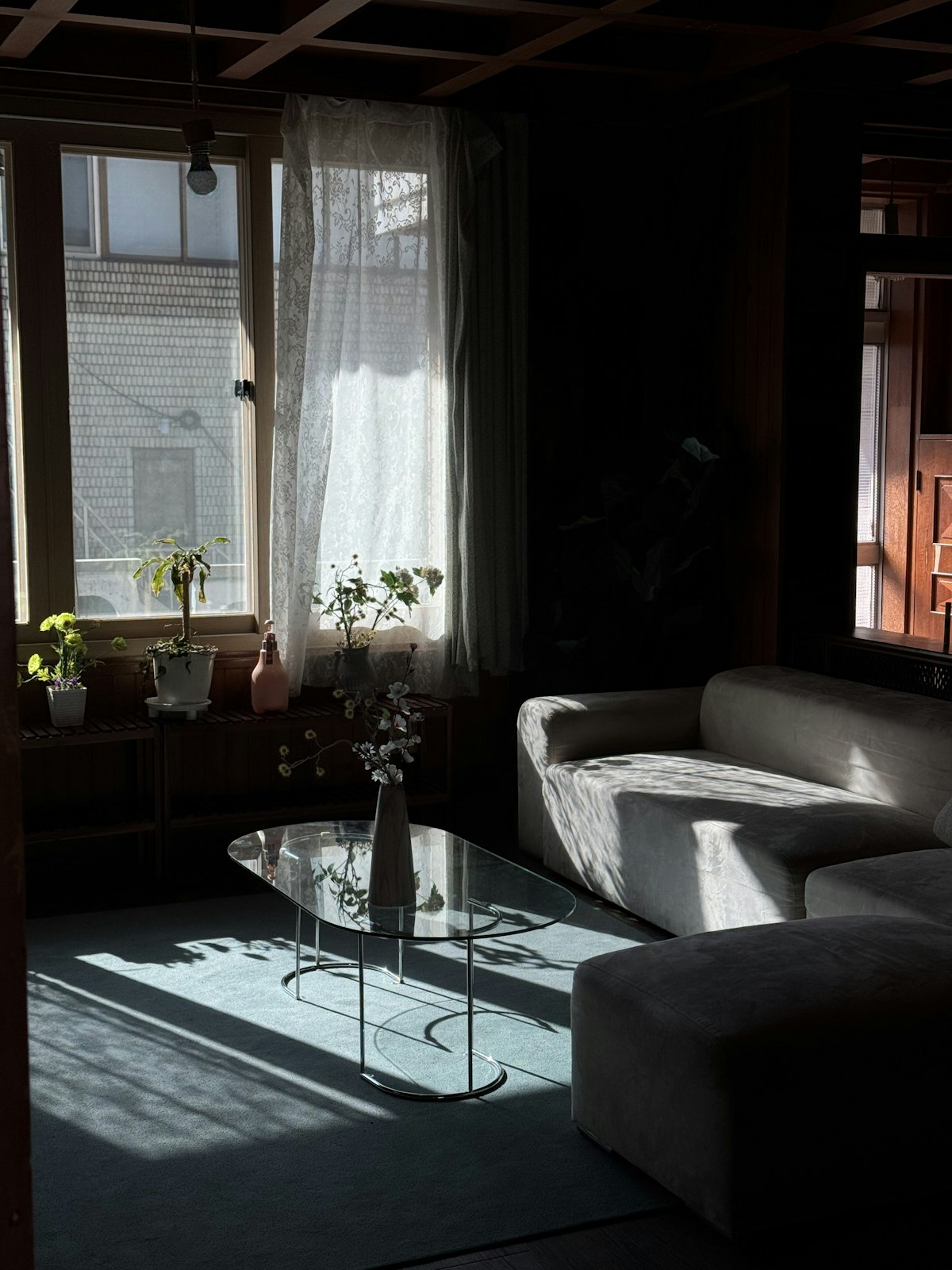
Two different rooms can wear the exact same curtain and need completely different things from it. The west-facing bedroom that turns into a cave-bright oven at 6 p.m. in July needs light control above all. The street-facing living room with beautiful, leaky 1960s windows needs insulation — and could not care less about darkness. Marketers happily blur these jobs together ("blackout thermal energy-saving!"), which is how people end up with heavy, stiff drapes in a room that only ever needed a blackout liner.
Blackout and thermal are not synonyms, and neither is a single technology. Blackout describes how much light a fabric blocks. Thermal describes how much a curtain slows heat transfer through glass. Some curtains do both well; many do one and claim the other.
Here is how to tell which problem your room actually has, and what to check on the label before you buy.
The short version
Choose blackout when light is the problem: bedrooms, nurseries, media rooms, shift workers, streetlights, and early summer sunrises. True blackout fabrics block 99%+ of light and read as "room darkening" only when they block less. Choose thermal when temperature is the problem: drafty single-pane windows, rooms that bake in afternoon sun or bleed heat in winter. Thermal curtains use insulating linings or interlinings to slow that transfer. If your room has both problems — a hot, bright west-facing bedroom is the classic case — buy thermal curtains with a genuine blackout rating, and hang them wide and long enough to seal the edges, because installation matters as much as fabric.
What to look for
- Light-blocking percentage: Real blackout is 99–100%. "Room darkening" typically blocks 90–98% — dark at night, but a visible glow at midday. "Light filtering" is a different product entirely.
- Construction: Triple-weave polyester blackout has the blackout layer woven in and drapes most naturally. Coated blackout (a foam backing on fabric) blocks light completely but can feel stiff and the coating can crack over years of sun exposure.
- Thermal lining type: Look for a separate insulating interlining (flannel-like or acrylic-foam backed) or multiple bonded layers. A single layer of decorative fabric with "thermal" in the name is mostly marketing.
- Coverage, the silent spec: Curtains should extend 4–6 inches beyond the window frame on each side and reach the sill, apron, or floor. Light leaks and convective drafts both enter at the edges; no fabric spec overcomes a 2-inch gap.
- Header style and rod: Wrap-around (return) rods that curve back to the wall dramatically cut edge light and drafts versus straight rods. Grommets are easy-sliding; rod pockets and back tabs give a cleaner seal.
- Color and light: Darker blackout fabrics block marginally more light, but for thermal duty in sunny windows, a light-colored lining facing the glass reflects heat before it enters the fabric sandwich.
Which problem does your room have?
Test for light: At the brightest problem hour, hang a dark bath towel over the window for one night. If sleep or screen-watching improves dramatically, blackout will deliver that every night. If the difference is minor, darkness was never your main issue.
Test for temperature: On a cold night, hold your hand an inch from the glass, then an inch from an interior wall. A sharp difference — plus curtains that billow slightly on windy days — signals meaningful heat loss that thermal curtains can moderate. Set expectations honestly: thermal curtains typically reduce window heat loss noticeably and cut drafts, but they do not turn single-pane glass into double-pane. Think in terms of comfort improvement, not utility-bill miracles.
The overlap rooms. Street-level bedrooms often need both: blackout for headlights and thermal for the draft. Home theaters need blackout first, thermal as a bonus. Rental rooms where you cannot change hardware need blackout panels on a tension rod inside the frame — accept the edge glow as the price of reversibility.
Blackout Curtain Panels
Triple-weave blackout panels that block light without a coated backing, so they drape like ordinary curtains — the default pick for bedrooms and nurseries.
- Triple-weave blackout construction (no foam coating)
- Grommet top for easy sliding
- Wide range of widths, lengths, and colors
- + True room-darkening performance at a budget price
- + Fabric stays flexible and washable
- + Easy to layer over sheers
- – Insulation is incidental, not a dedicated thermal lining
- – Grommets leak a little light at the top versus back-tab styles
Thermal Insulated Blackout Curtains
Blackout panels with an insulating construction aimed at drafty windows, balancing light control with a layer of thermal resistance for living rooms and street-facing bedrooms.
- Insulated multi-layer construction
- Blackout light blocking
- Multiple hanging lengths for sill-to-floor fits
- + Addresses heat loss and light in one panel
- + Noticeable draft reduction when hung wide and long
- + Budget-friendly for covering several windows
- – Stiffer hand-feel than triple-weave-only panels
- – Still no substitute for fixing failed window seals
Linen Look Blackout Curtains
Blackout panels with a linen-textured face for rooms where curtains are a design feature first — full light blocking with a softer, more natural look.
- Linen-look textured face fabric
- Full blackout lining performance
- Rod pocket and back-tab hanging options
- + Looks like decorative linen, performs like blackout
- + Heavier drape reads as a finished room, not a dorm fix
- + Good color palette of neutrals
- – Costs more than plain triple-weave panels
- – Textured face shows dust sooner in sunny rooms
Hanging them so the specs happen
Mount the rod 4–6 inches above the frame and wide enough that open curtains stack mostly on the wall, not the glass — you keep full daylight when open and full coverage when closed. For thermal performance, the curtain should nearly touch the wall at the sides and just clear the floor or sill at the bottom, creating a still-air pocket over the glass. That trapped layer of air is doing much of the insulating work.
Layering works here too, as it does in bedding (see our bedding layers guide): a sheer or light-filtering panel for daytime privacy plus a blackout/thermal panel for night gives one window four usable states instead of two.
Never hang coated blackout fabric where it will bake behind glass in direct all-day sun without a liner — the coating degrades faster. A cheap white liner panel extends its life by years.
FAQ
Do blackout curtains also insulate?
Triple-weave blackout fabric provides mild insulation simply by being a thick barrier, and many owners report rooms feeling less drafty. But without a dedicated insulating lining or foam backing, it is not equivalent to a thermal curtain. If temperature is the main problem, prioritize the thermal construction and treat any blackout rating as a bonus.
Are white blackout curtains as effective as dark ones?
The blackout layer, not the face color, does the work — in triple-weave fabric the light-blocking core is a black yarn layer regardless of the visible color, so white and ivory blackout curtains can genuinely reach 99%. The tiny residual difference shows only in extremely bright rooms, where any curtain leaks more light at the edges than through the fabric anyway.
How do I wash thermal and blackout curtains?
Machine-wash coated and bonded panels on gentle, cold, and line-dry or tumble low — high heat can crack foam coatings and delaminate bonded layers. Triple-weave polyester tolerates normal gentle washing. Curtains collect more dust than people expect; a monthly vacuum with an upholstery brush keeps washing a twice-a-year job.
What length should I buy?
Measure from the rod to where you want the hem: sill (ends just below the window apron), or floor (1/2 inch above it for a clean hang, or touching for maximum draft seal). Floor-length with a slight break looks generous but gathers dust and pet hair; the half-inch float is the practical sweet spot for most homes.