Small Kitchen Appliances That Earn Their Counter Space
Counter space is rent, and some appliances never pay it. A two-week audit and a short list of the machines owners actually use every week — kettle, multi-cooker, and more.
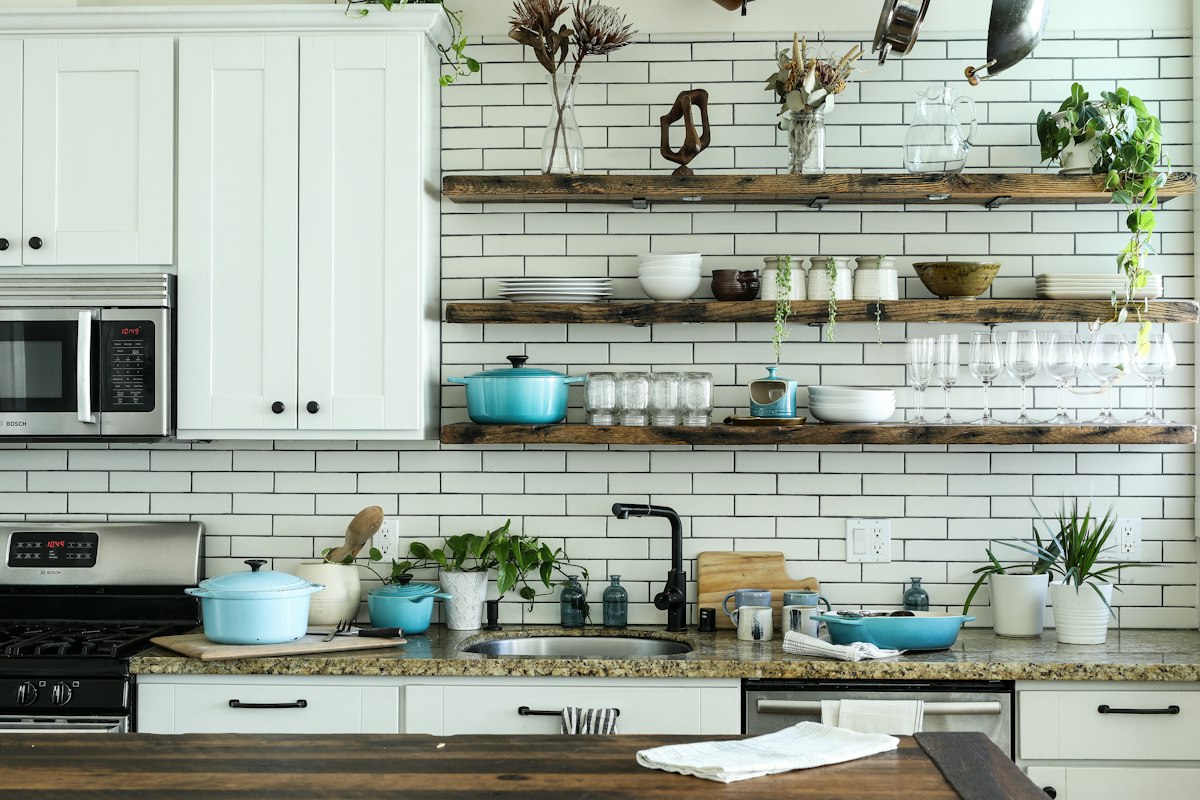
Counter space is the only currency a small kitchen really trades in. Every appliance that sits out permanently is renting square inches from your cutting board, your coffee mug, and your sanity — and a surprising number of them pay almost no rent at all. The bread machine exiled to a closet by February is a cliché because it keeps happening.
The fix is not minimalism; it is auditing. A few small appliances genuinely transform daily cooking and earn their footprint many times over. Others duplicate what a pot, a pan, or ten patient minutes already do.
Here is how to tell the difference, drawn from published specifications and years of owner feedback about what actually stays on the counter — and what quietly disappears into the donation box.
The short version
- The most consistently used counter appliances across households: an electric kettle, a multi-cooker (for households that batch-cook), a compact toaster oven/air fryer, and a coffee maker you love.
- The test is simple: if you have not used it in two ordinary weeks, it does not deserve permanent counter space.
- Buy for your actual routines — rice three times a week justifies a rice cooker; a smoothie phase does not justify a permanent blender.
- Measure your counter depth and under-cabinet clearance before buying; several popular appliances are taller than the standard 18-inch cabinet gap once the lid opens.
What to look for
- Footprint versus capacity. Manufacturers list capacity in cups or quarts but the counter only cares about width and depth. A "compact" label means nothing without dimensions.
- Lid and door clearance. Multi-cookers and toaster ovens need vertical room to open fully under upper cabinets. Check the open-lid height in the specs.
- One-job excellence beats ten-job adequacy. Appliances that do a single daily task brilliantly (boiling water, making coffee) get used; sprawling multi-function units often do everything at 80%.
- Cleanup reality. Count the parts that need washing and whether they are dishwasher-safe. A juicer with nine parts is a hobby, not an appliance.
- Cord length and outlet position. Boring, decisive. A short cord on the wrong side of the counter has killed more appliance love than bad motors.
- Storage honesty. If it must live in a cabinet, will you actually haul out 14 pounds before breakfast? Weight is a feature spec too.
Duo 7-in-1 Electric Pressure Cooker
The multi-cooker that defines the category — pressure cooker, slow cooker, rice cooker, and more in one 6-quart footprint that batch-cooking households use weekly.
- 7 functions including pressure cook, slow cook, and sauté
- 6-quart stainless steel inner pot
- 13 one-touch cooking programs
- + Replaces several single-use appliances
- + Beans and stews without stove-watching
- + Huge recipe ecosystem from owners
- – Tall with the lid open — check cabinet clearance
- – Searing is serviceable, not stellar
Smart Oven Air Fryer
A countertop oven with air fry, roast, bake, and dehydrate modes that small households consistently report using instead of their full-size oven.
- Element IQ system directs heat where needed
- Air fry and super convection settings
- Fits a 13-inch pizza or 9-cup muffin tray in larger configurations
- + Fast preheat, lower energy than a full oven
- + Superb at reheating and crisping leftovers
- + Replaces a separate basket air fryer for many homes
- – Premium pricing for a countertop appliance
- – Generous footprint — measure first
Original Electric Glass Kettle 1.8L
A fast, borosilicate-glass electric kettle with no plastic touching the water — the highest uses-per-week appliance most kitchens can add.
- 1.8-liter borosilicate glass body
- Stainless steel filter and inner lid
- Auto shut-off and boil-dry protection
- + Boils faster than a stovetop kettle
- + No plastic in contact with hot water
- + Serves coffee, tea, oatmeal, and cooking head-starts
- – Glass needs gentle handling
- – No temperature settings for delicate teas
The appliances that usually earn it
The electric kettle is the undisputed champion of cost-per-use. It boils water faster and with less energy than a stovetop kettle, then serves coffee, tea, oatmeal, instant noodles, and a dozen cooking head-starts a week. Households that own one rarely go back.
The multi-cooker earns its space in homes that batch-cook: beans without soaking-and-watching, stews on a timer, rice and grains without a second pot. Its weakness is equally consistent in owner feedback — the sauté function is fine, not great, and households that cook fresh, fast meals nightly often find it underused. It also pairs naturally with good core cookware rather than replacing it; see our comparison of cast iron vs. nonstick skillets for the pans that still do the searing.
The toaster oven / air fryer oven has quietly replaced the full oven for many small households: faster preheat, less energy, better suited to one or two portions, and genuinely good at reheating pizza and crisping leftovers. If your oven's main job is reheating, this is the swap to consider.
The coffee setup earns space by definition if it is used daily — but it is also where counters go to die, as makers, grinders, and pod caddies sprawl. Our dedicated guide to setting up a home coffee station shows how to keep it contained.
The honest maybes
Blenders depend entirely on texture standards: a high-performance blender is a daily tool for smoothie and soup households and a sculpture for everyone else. Stand mixers are beloved by weekly bakers and resented by everyone who stores them. Food processors are transformative if you cook from scratch at volume — shredding, dough, big-batch sauces — and pure overhead if your knife skills and a box grater already cover your needs; if you are upgrading the knife side of the equation, knife sets vs. buying knives one by one is worth a read before you buy a machine to compensate.
Rent is paid in uses per week, not in features per box. Count honestly and the decision makes itself.
A simple two-week audit
Before buying anything new, try this: for two weeks, put a small sticky note on each appliance every time you use it. At the end, the notes tell the truth your memory softens. Appliances with zero or one note get relocated to a cabinet or donated. The cleared space usually feels like a remodel you did not pay for — and it tells you exactly how much room a genuinely useful new appliance is allowed to claim.
FAQ
Is an air fryer worth it if I already have an oven?
If you mostly cook for one or two, reheat often, or hate heating a full oven in summer, owner feedback says yes — the counter-format or toaster-oven format gets used daily. If you cook big sheet-pan meals for a family, your oven already does the job and a basket air fryer will feel small.
What size multi-cooker should I get?
A 6-quart suits most households of 2–5 and fits standard recipes. A 3-quart is genuinely better for singles and couples who do not batch-cook — it heats faster and stores easier.
Should I buy appliances in matching sets?
Matching looks tidy in photos but locks you to one brand across categories where different makers excel. Buy the best tool per job; your counter does not care about logos.
Where should appliances live if not on the counter?
In the most accessible cabinet you have, ideally at waist height and near where they are used. If retrieving an appliance requires moving three other things, it effectively no longer exists — be honest about that when deciding what to keep.