Composting for Small Gardens and Balconies: Bins, Smell, and Sanity
Bags of garden waste leave in the trash the same week you buy bagged compost. A tumbler, worm farm, or bokashi bucket closes that loop — without the smell you fear.
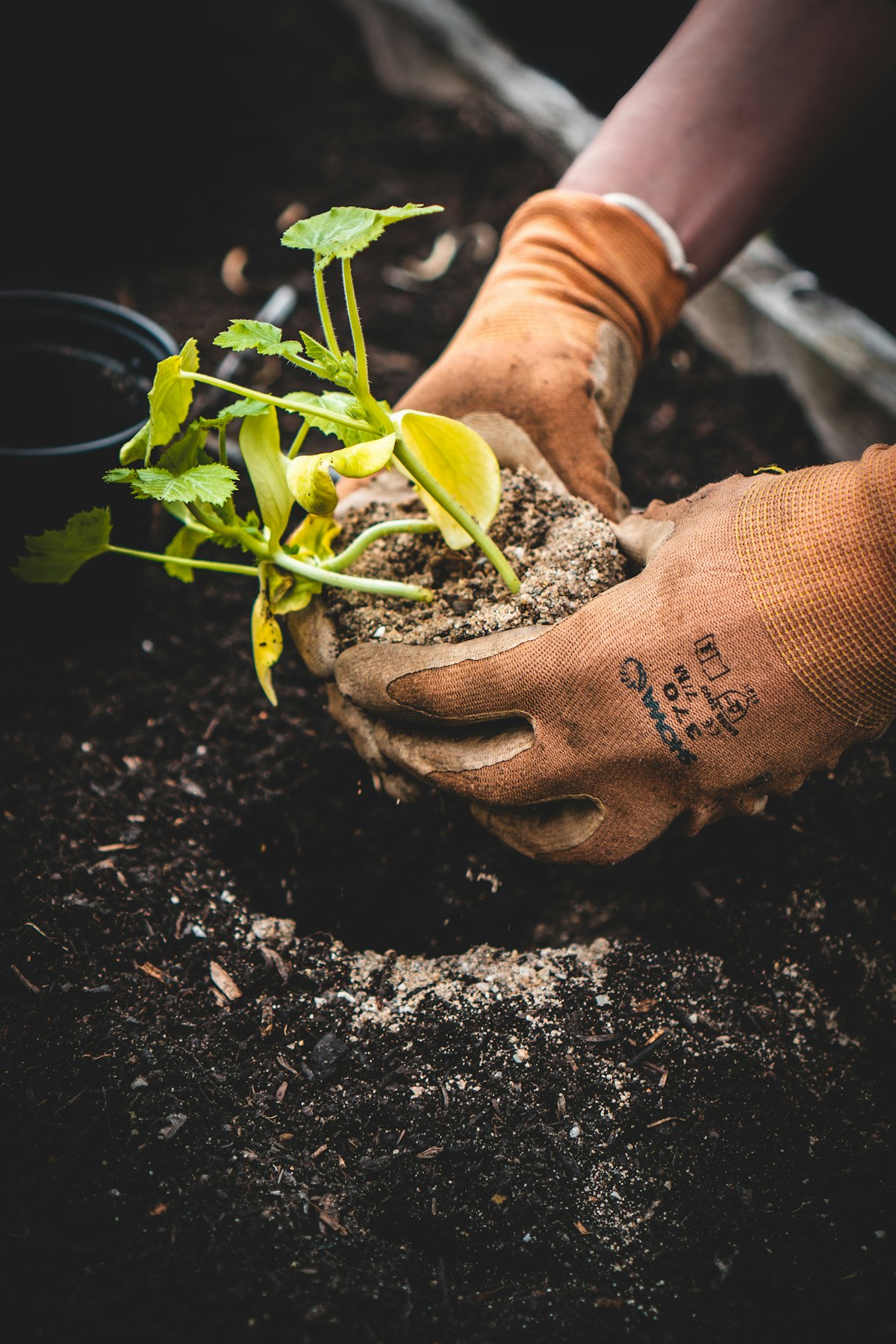
Every gardener reaches the same quiet crisis: the prunings pile, the spent plants, the grass clippings, the autumn leaves — bags of green material leaving in the trash while, in the same week, you buy bagged compost to put back into the beds. Composting closes that loop, turning your own garden waste into the soil-builder you were purchasing. The fear that stops small-space gardeners is the smell-and-mess stereotype: a reeking heap swarming with flies, suitable only for people with acreage and strong stomachs.
That stereotype belongs to badly run heaps. A well-managed small system — a tumbler on a patio, a worm bin under a bench, a bokashi bucket under the sink — produces no more odor than a bag of potting soil and asks for minutes a week. Scale is not the barrier; method choice is. Pick the system that matches your space and your waste stream, and composting becomes the easiest sustainability habit in the garden.
This guide compares the three small-space approaches honestly, then covers the smell science, because nearly every compost problem is just an imbalance you can smell before you can see.
The short version
Choose a dual-chamber tumbling composter if you have a sunny corner outside and mostly garden waste — it is sealed against pests, turns without a fork, and finishes batches in weeks rather than months in warm weather. Choose a worm farm if your waste is mostly kitchen scraps and you have a shaded, frost-sheltered spot; worms are silent, odorless when fed correctly, and produce the finest castings of any system. Choose bokashi if you have only indoor space: it ferments all food scraps (including cooked food) in a sealed bucket, but the fermented material still needs soil to finish in, so pair it with a planter or a friend's garden.
What to look for
- Sealed construction if wildlife visits — raccoons, rats, and dogs all investigate open heaps. Tumblers and lidded bins with locking handles keep dinner invitations closed.
- Capacity matched to your waste, not your ambition — an under-filled tumbler never heats up; an over-stuffed worm bin sours. A two-person household's scraps suit compact systems perfectly.
- A way to harvest without dismantling — bottom doors on worm farms, dual chambers on tumblers, a tap on bokashi buckets. If harvesting is a wrestling match, you will stop harvesting.
- Ventilation you can adjust — compost microbes need air; vents that open and close let you balance airflow against drying out.
- Placement you will actually visit — a bin at the far end of a wet lawn in January is a bin that gets fed twice a year. Near the kitchen door wins.
- Honest climate fit — worms stop working in hard frost and cook in full summer sun; tumblers slow in cold but rarely die; bokashi doesn't care about weather at all.
IM4000 Dual Chamber Tumbling Composter
A 37-gallon dual-chamber tumbling composter that lets one batch cook while you keep adding to the other, with a sealed drum that keeps pests out.
- Two chambers for continuous, never-reset composting
- Tumbling design replaces pitchfork turning
- Aeration holes and deep fins mix and oxygenate the load
- + Sealed drum defeats raccoons, rodents, and dogs
- + Finished batches in weeks in warm conditions
- + Compact footprint for a patio corner
- – Capacity suits households, not acre-scale leaf falls
- – Full drum is heavy to spin when loaded wet
Worm Café Composting System
A stacked-tray worm farm with a hinged lid and liquid collection tray, designed so worms migrate upward to fresh food and leave castings below to harvest.
- Stacking trays expand capacity as the herd grows
- Built-in tap drains liquid fertilizer from the base
- Ventilated lid and included worm bedding block to start
- + Produces premium worm castings for pots and beds
- + Nearly odorless when fed modestly
- + Quiet, compact, and balcony-friendly
- – Worms are bought separately and need frost and heat shelter
- – No meat, dairy, citrus, or oily food — ever
Indoor Composting Starter Kit
A bokashi starter kit with an airtight bucket, drainage tap, and inoculated bran that ferments all food scraps — including cooked food — indoors in about two weeks.
- Airtight sealed bucket ferments rather than rots
- Accepts meat, dairy, and cooked leftovers other systems refuse
- Tap yields a liquid plant feed to dilute and use
- + Works entirely indoors, any season, any climate
- + Fast two-week fermentation cycle
- + Handles the full kitchen waste stream
- – Fermented scraps still need soil contact to finish
- – You will keep buying bran as a consumable
The three systems, honestly compared
Tumbling composters like the FCMP Outdoor dual-chamber model solve the two classic heap problems: turning (you spin the drum instead of forking a pile) and access (the sealed drum defeats pests). The dual chamber is the key feature — one side cooks while you keep adding fresh waste to the other, so the system never resets to zero. In warm weather with a decent mix, finished compost in as little as a few weeks is realistic; in a cold spring, think months. The output is a general-purpose soil conditioner, perfect for topping up raised beds.
Worm farms (vermicomposting) run at room temperature and produce worm castings, widely considered the premium soil amendment — rich, gentle, and usable straight onto pots and beds. A stacked-tray system like the Tumbleweed Worm Café lets worms migrate upward toward fresh food, leaving finished castings below to harvest. Worms eat roughly their favorite menu of fruit and vegetable scraps, coffee grounds, and shredded cardboard; they dislike citrus, onions, and anything oily or meaty. Kept shaded and fed modestly, a worm farm is the quietest, most apartment-adjacent of the three — many live on balconies, as a natural partner to a balcony garden.
Bokashi is not strictly composting — it is fermentation. Scraps go into a sealed bucket, layered with bran inoculated with effective microorganisms, and pickle over about two weeks, after which the bucket yields a fermented pre-compost and a liquid feed you dilute for plants. Its superpower is scope: cooked food, small bones, and dairy that worms and tumblers refuse are all fair game. Its catch is the second step — the fermented material is acidic and must be buried in soil or added gradually to a compost system to finish. Apartment dwellers with big planters or a soil factory bin handle this fine; without any soil access, bokashi strands you with buckets of pickles.
| System | Space needed | Accepts meat/dairy | Speed to finished soil | Odor when managed | Best for |
|---|---|---|---|---|---|
| Tumbling composter | Small outdoor corner | No | Weeks to months | Earthy, mild | Garden waste plus kitchen scraps |
| Worm farm | Shaded bench or balcony spot | No | Steady castings in 2–3 months | Almost none | Kitchen scraps, premium castings |
| Bokashi bucket | Under a sink | Yes | Ferments in ~2 weeks, then needs soil | Pickle-sour while sealed | All food waste, indoor-only homes |
The smell rules that fix almost everything
Compost smells when the microbial balance tips: too much nitrogen-rich "green" material (food scraps, grass) without carbon-rich "browns" (dry leaves, shredded cardboard, straw), or too much water squeezing out the air. The remedy is nearly always the same — add browns, add air. A handful of shredded cardboard stirred into a slimy tumbler, or a dry bedding layer in a worm bin, performs rescues that look like magic and are just chemistry.
Aim for roughly three parts browns to one part greens by volume and a moisture level like a wrung-out sponge. Fruit flies mean exposed fruit — bury scraps under bedding or soil rather than leaving them on the surface. Ammonia means far too many greens; a sour-vinegar bokashi smell is normal inside the bucket, but a putrid one means the seal failed or the bran was skimped. In short: earthy is healthy, sour is fermenting, and rotten is a message — answer it with cardboard and a stir.
Keep a small stash of browns beside the bin — a bag of shredded cardboard or dry leaves. Every compost rescue in history has begun with "add browns," and it only works if the browns are within arm's reach when you need them.
FAQ
Will a small compost system attract rats or mice?
A sealed tumbler or lidded worm bin, fed no meat or cooked food, is a poor target compared with an open heap or an overflowing trash can. The main attractant mistakes are exposed food scraps on the surface and bins with gaps at the base. Bury fresh scraps under bedding or mix, keep lids latched, and site the bin on hard ground where burrowing underneath is difficult.
How long until I get usable compost?
In warm conditions, a well-fed tumbler can finish a batch in roughly four to eight weeks; winter batches take longer. Worm farms produce harvestable castings from the bottom tray after about two to three months, then continuously. Bokashi ferments in about two weeks but needs a few further weeks buried in soil before plants should meet it.
Can I compost if I only have a balcony?
Yes — a worm farm or bokashi bucket both suit balconies, and compact tumblers exist for larger ones. Mind the weight (a full tumbler is heavy), protect the floor with a tray against drips, and keep worms shaded from direct summer sun and out of hard frost. Balcony compost feeding balcony planters is about as closed-loop as home growing gets.
What should never go in?
For tumblers and worm bins: meat, fish, dairy, oils, and pet waste stay out — they are the odor and pest culprits. Diseased plants and weed seed heads are better in the municipal green waste, since small home systems rarely get hot enough to neutralize them. Glossy paper, treated wood ash, and anything synthetic never belong in any system.